
HYXA / Insights
The NFC business card: one tap instead of a stack of paper
Eighty-eight per cent of paper business cards are thrown away within a week. A card that loads a profile onto the other person’s phone does not get thrown away — and it tells you who opened it.
 Write it down once, and stop explaining it forever.
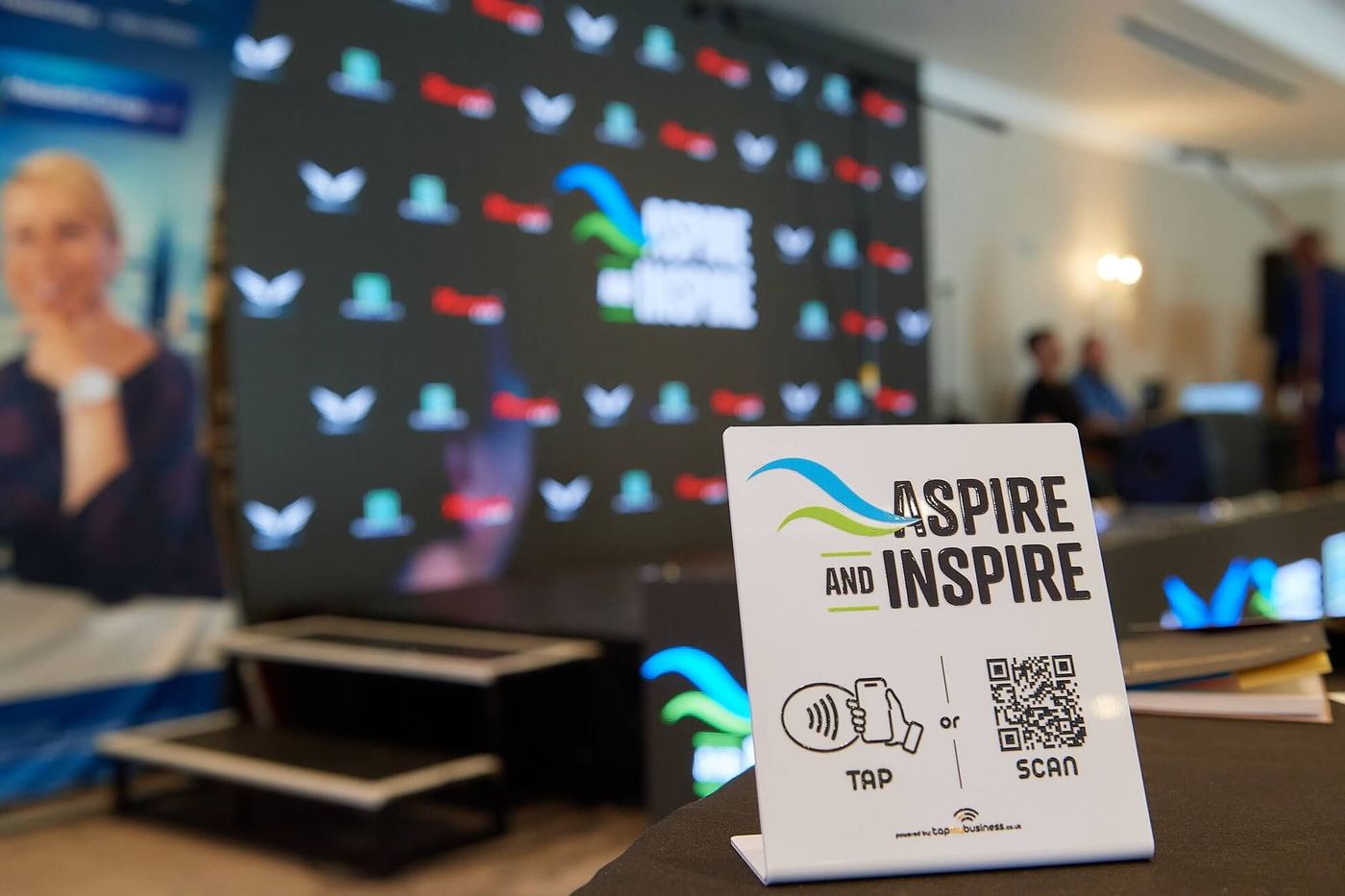
A paper card is a one-way message: here is my name, please remember me. An NFC card is the start of a conversation, because the person you met walks away with your contact already saved, your offer one tap away and a link to book a meeting.
What actually happens
- You touch the card to the back of their phone. No app, no scanning, no typing.
- A profile opens: contact details, what you do, a short portfolio, a booking link, your socials.
- They tap "save" and you are in their phone book, spelled correctly, with the right job title.
- You see, in the panel, that the card was opened — and roughly when.
Where it earns its money
- Trade shows and conferences, where fifty cards are handed out and five are remembered.
- Field teams — engineers, surveyors, drivers — who meet customers all day and carry nothing printed.
- Reception desks and shop counters, as a stand instead of a bowl of paper.
- New hires: a card ordered today works tomorrow, without a print run.
The honest limitations
- Very old phones may not read it — keep a small run of paper for those cases.
- It only works if the profile behind it is good. A tap that lands on a bad page is worse than no card.
- Somebody has to keep the profile current. That is fifteen minutes a quarter, not zero.
We set the whole thing up: the card design in your brand, the profile behind it, the analytics, and the reorder route for the next person who joins. The account is registered in your name — it stays yours.