
How we rolled out NFC cards and virtual services for our clients
Two innovations, one rule: it has to earn its place in the business, not just look modern.
 Write it down once, and stop explaining it forever.
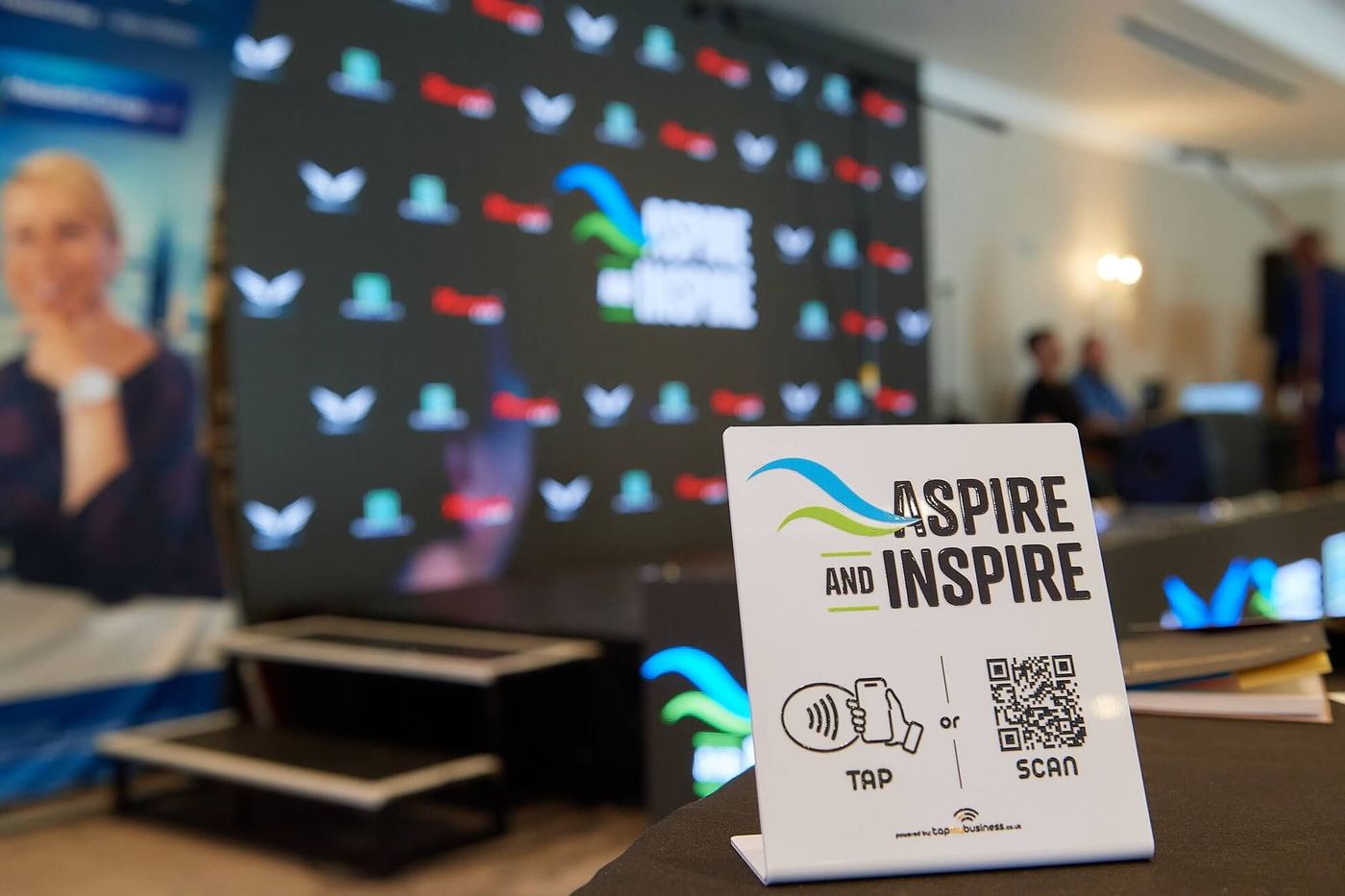
Innovation gets sold as a mood. We treat it as a line in a process: what does this replace, what does it cost, and what does it produce that the old way did not?
The problem with paper
A business card is handed over at the exact moment somebody is interested — and then it lives in a jacket pocket until laundry day. The contact is retyped incorrectly, the website is never visited, and the follow-up never happens. Multiply that by a trade show and you have paid for a stand to generate contacts you will never reach.
What we implemented
- A tap-enabled digital profile that opens instantly on any NFC-compatible phone, with no app to install.
- Cards produced in metal, bamboo, aluminium or PVC, designed to match the brand rather than fight it.
- The profile carrying what actually converts: portfolio, video, booking link and one-tap contact saving.
- A support loop — when details change we update the profile, and the card in the pocket stays valid.
The four steps we use every time
- Order — choose the material and how far the customisation goes.
- Build the profile — the client sends the details, we design the digital experience behind the card.
- Deploy — it works out of the box, no activation, no app.
- Support — ongoing updates, because a business changes faster than a print run.
What it changed
One IT consulting client reported a 30% increase in client follow-ups after moving the team to NFC cards. A hospitality client used the same mechanism to share offers and loyalty information directly with guests at the table. Those are their numbers and their observations, not ours — and that is the point: the measurement belongs to the business, not the supplier.
The part people miss
The card is not the innovation. The innovation is deciding what the first ninety seconds after a handshake should produce, and then building the shortest possible path to it. We design that path individually for each client, under NDA — the solution you get is not the one we built for somebody else in your sector.